
 01

 02
 03
Aqueous and hydro-alcoholic extraction — Recovery of selected plant compounds.Supercritical CO₂ extraction — Extraction of selected oils and lipophilic compounds.Column chromatography and fractionation — Purification and enrichment of phytochemical.Vacuum concentration — Extract concentration and solvent removal.Spray drying and vacuum drying — Conversion of liquid extracts into powders.

Science

Nature is complex. Science helps us understand it.
Two ingredients with the same name may not necessarily be the same.
Where they come from, how they are manufactured, their composition, how they are tested and the evidence behind them can all influence their characteristics and suitability for a formulation.
Manufacturing Capabilities
Our ingredient portfolio is supported by the following manufacturing capabilities.
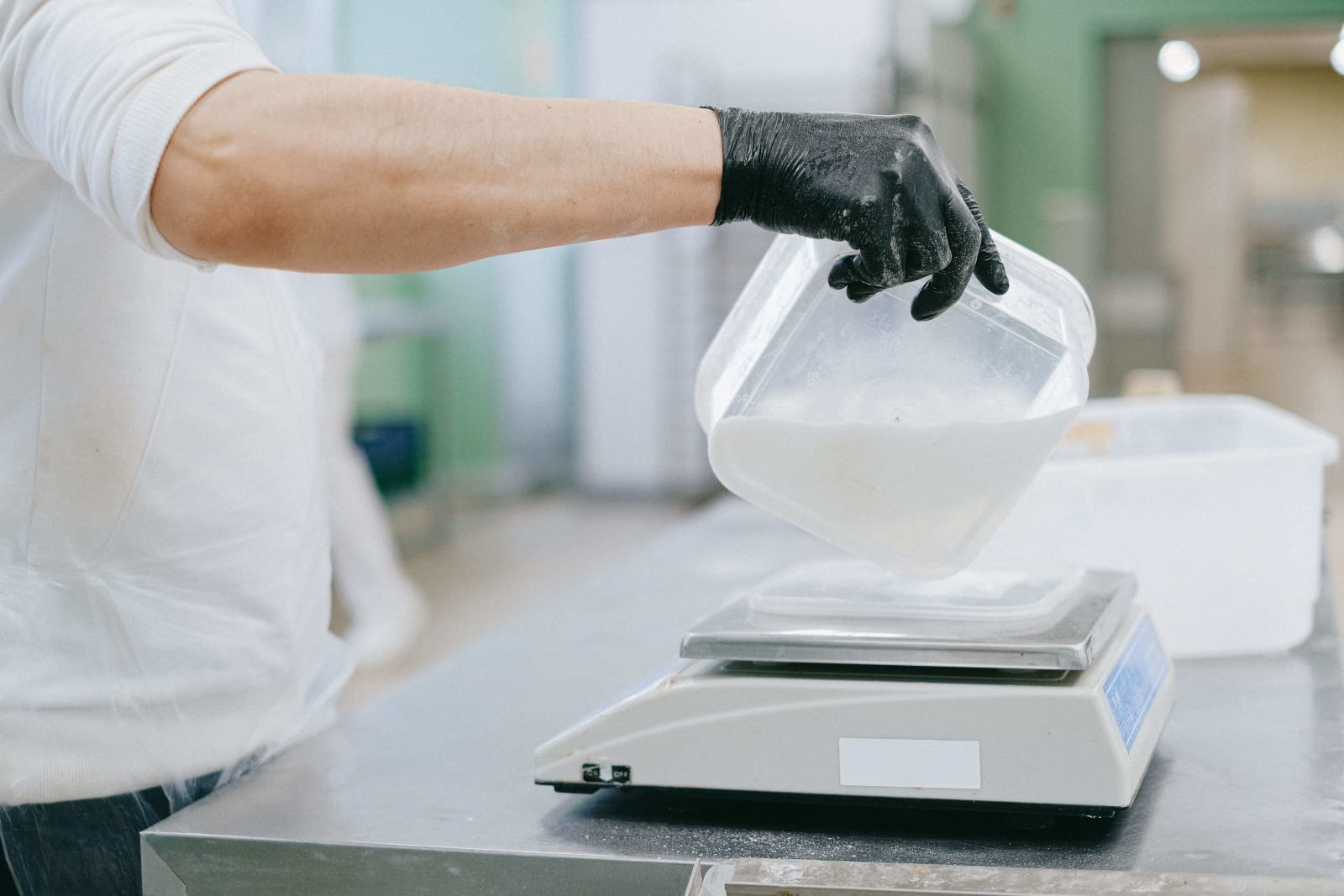
Enzymatic hydrolysis — Production of hydrolysed collagen peptides.Membrane ultrafiltration — Peptide separation and molecular-weight refinement.Powder blending — Preparation of collagen-based ingredient mixtures and formulations.
Wet extraction — Recovery of plant protein fractions.Centrifugal separation — Separation of protein-rich fractions from other components.Membrane filtration — Protein concentration and purification.Drying and powder processing — Preparation of protein powders and blends.
Whole-cell fermentation — Production of short-chain fructo-oligosaccharides from cane sugar.
Controlled fermentation — Cultivation of selected microbial strains.Centrifugal harvesting — Separation and concentration of microbial biomass.Freeze-drying and spray drying — Strain-appropriate preparation of dried cultures.
Formulation and blending — Incorporation of prepared postbiotic ingredients into customised formulations.

HPLC — Recovery of selected plant compounds.HPTLC — Extraction of selected oils and lipophilic compounds.GC / GC-MS — Purification and enrichment of phytochemical.UV–Vis spectrophotometry — Extract concentration and solvent removal.
ICP-MS — Heavy-metal and trace-element analysis.Headspace GC — Residual-solvent analysis.GC-MS/MS and LC-MS/MS — Pesticide-residue analysis.Microbiological testing — Total counts, yeast, mould and specified pathogens.
Amino acid analysis by HPLC — Protein and collagen compositional profiles.Hydroxyproline analysis — Collagen characterisation.Kjeldahl / Dumas — Nitrogen-based protein-content estimation.HPLC / ion chromatography — Prebiotic carbohydrate composition and purity.PCR and whole-genome sequencing — Microbial identification and strain characterisation.CFU enumeration — Viable counts for probiotic preparations.
Specification review — Defined identity, composition and acceptance criteria.Method suitability — Analytical procedures matched to the ingredient.Batch documentation — COAs, test results and batch identification.Traceability records — Documented links between source, processing and supplied material.
Quality Assurance and Control
We assess ingredient quality using the following analytical tests.
Ingredient Research
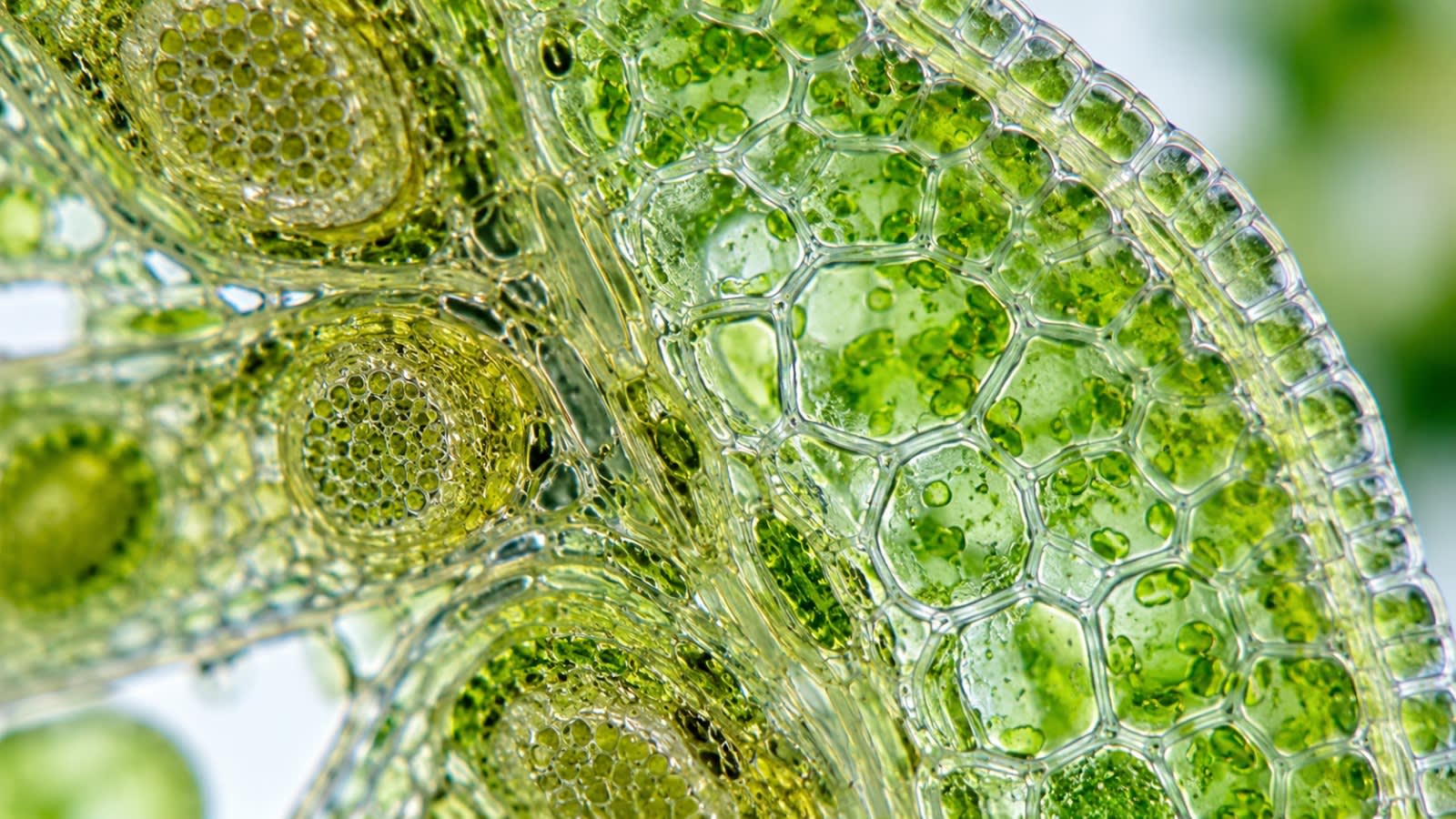
We review published literature and available human clinical studies, considering study design, participants, dosage, duration and outcomes. We assess consistency across studies and limitations that affect interpretation.
Composition, processing, marker levels and strain identity, where relevant, help establish how closely an ingredient matches the preparation studied. Evidence for one preparation does not automatically apply to every ingredient with the same name.
Our review connects these details with practical ingredient selection and formulation discussions, while identifying where further investigation could add value.